Bossy R: R-Controlled Vowels Explained With Examples
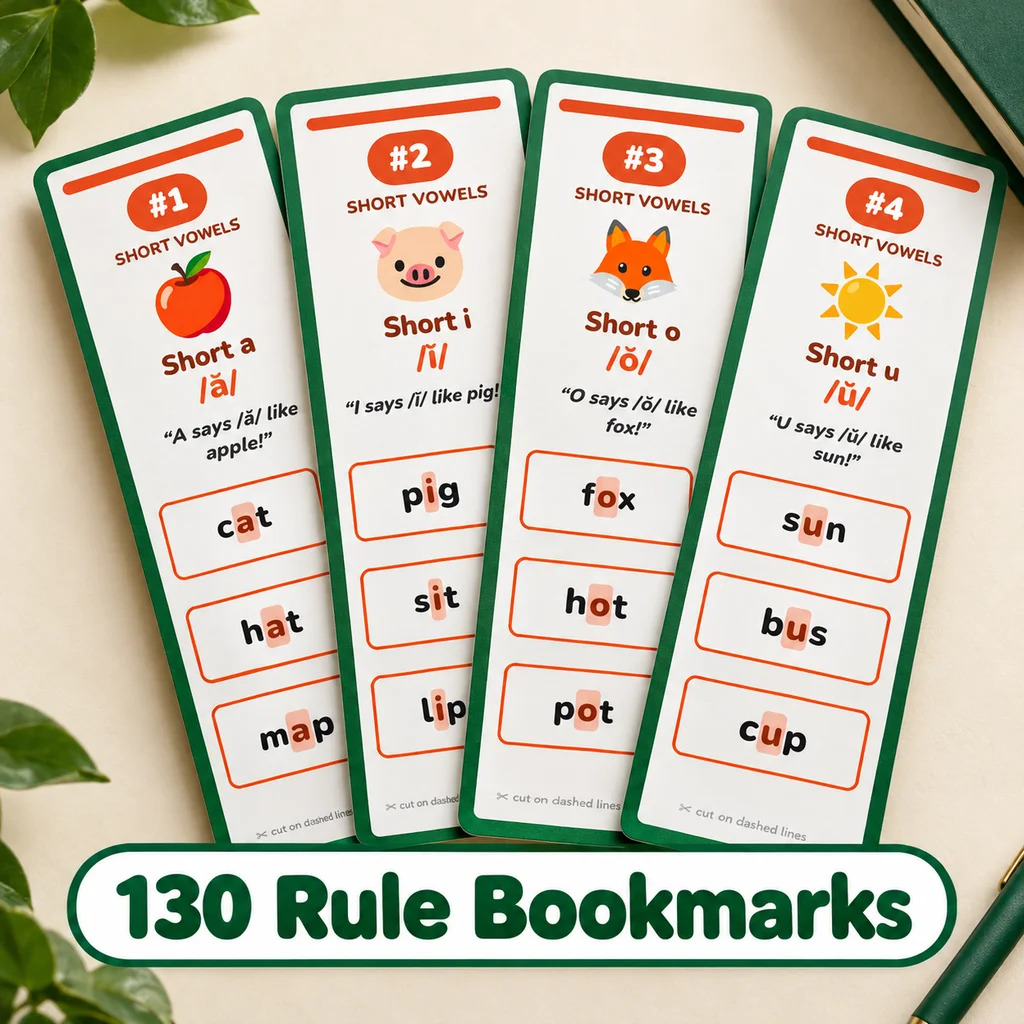
When the letter r follows a vowel, it changes how the vowel sounds. The vowel is no longer short or long. Teachers call this "bossy r" because the r takes charge. The main spellings are ar (car), or (corn), er, ir and ur (her, bird, turn), plus a few extended patterns: ore, air, are, ear and eer. This guide explains each, covers three surprises that appear after the letter w, and ends with ways to teach them.
The core r-controlled spellings
| Spelling | Sound | Examples |
|---|---|---|
| ar | /ar/ | car, star, farm, barn, park, dark |
| or | /or/ | for, corn, fork, horse, storm, born |
| er, ir, ur | /er/ | her, bird, girl, turn, fern, burn |
| ore | /or/ | more, store, shore, core, score |
| air, are, ear | /air/ | hair, chair, care, share, bear, pear |
| ear, eer | /eer/ | hear, near, year, deer, cheer |
ar: the pirate sound
The letters ar say /ar/, "like the sound a pirate makes". Kids love this one. It comes up in words such as car, star, farm and park. Contrast it with the short-a words in cat and bat, which keep their short vowel because no r follows.
or: the corn sound
The letters or say /or/, as in for, corn, fork, horse and storm. The long list of or words makes it easy to practice. The ore spelling gives the same sound with a silent e: more, store, shore, snore. Teach ore as an extension of or: same sound, extra e.
er, ir, ur: three spellings, one sound
All three say /er/. You cannot hear which one is correct, so you check the word. Some help:
- er is the most common, especially at the end of words (teacher, water, tiger).
- ir is found in bird, girl, first, shirt, dirt, stir.
- ur is found in turn, burn, fur, hurt, nurse, purple.
A good habit: when children write a word with /er/, they try it, look at it, and ask "does this look right?" Over time they build a bank of known words.
air, are, ear: three spellings of /air/
The /air/ sound is spelled air (hair, chair, fair), are (care, share, scare) and ear (bear, pear, wear). The are spelling has a silent e, like ore. Hair and chair are the easiest to remember. The ear in bear is a spelling that most children learn as a short word list.
ear and eer: the /eer/ sound
Ear says /eer/ in hear, near, year and eer in deer, cheer, steer. The catch is that ear is also in bear and earth, so children need to try more than one sound. A useful practice: read the word both ways and choose the one that makes a real word.
Three surprises with w
The letter w changes the vowel that follows it. These are the cases that almost no one lists, and they cause many spelling mistakes.
| Rule | Examples |
|---|---|
| wor says /er/, not /or/ | word, work, world, worm, worth, worse |
| war says /or/, not /ar/ | war, warm, warn, wart, swarm, dwarf |
| wa says /ŏ/, not /ā/ or /ă/ | was, wash, watch, want, swan, wallet |
These exceptions have exceptions: sword and worn break the wor rule, and wary breaks the war rule. Teach the three patterns in one lesson and let kids collect the words.
The unstressed ending: -er, -or, -ar
At the end of a longer word, a weak syllable says /er/ and is spelled er (water, tiger), or (doctor, actor) or ar (sugar, collar). This is the most common spelling of the r-controlled sound in multi-syllable words, and the sound is a quiet one. If you are not sure, er is the best guess.
Words that look r-controlled but are not
A few words break the pattern. Fire and hour have a vowel before the r, but the sounds are different from the ones above, and they are better taught as individual words. Likewise, are, were and there do not follow the "are says /air/" pattern. When a child struggles with a word that has a vowel followed by r, have them try the r-controlled sound first, and then check if it makes a real word.
How to teach bossy r
- Start with ar and or. They have clear, unique sounds. Give each its own day.
- Add er/ir/ur as a group. Tell students the sound is the same and the spelling must be checked.
- Move to ore, air, are, ear and eer as extensions of the first two.
- Save the w patterns for last. They are the most advanced and work best after children are secure with ar and or.
A reliable routine for each pattern:
- Read the rule aloud.
- Read six words and underline the pattern.
- Sort words by sound.
- Dictate three words and a sentence.
A fun sentence for practice: "The bird in the barn heard the horse snort." Underline the six bossy r words.
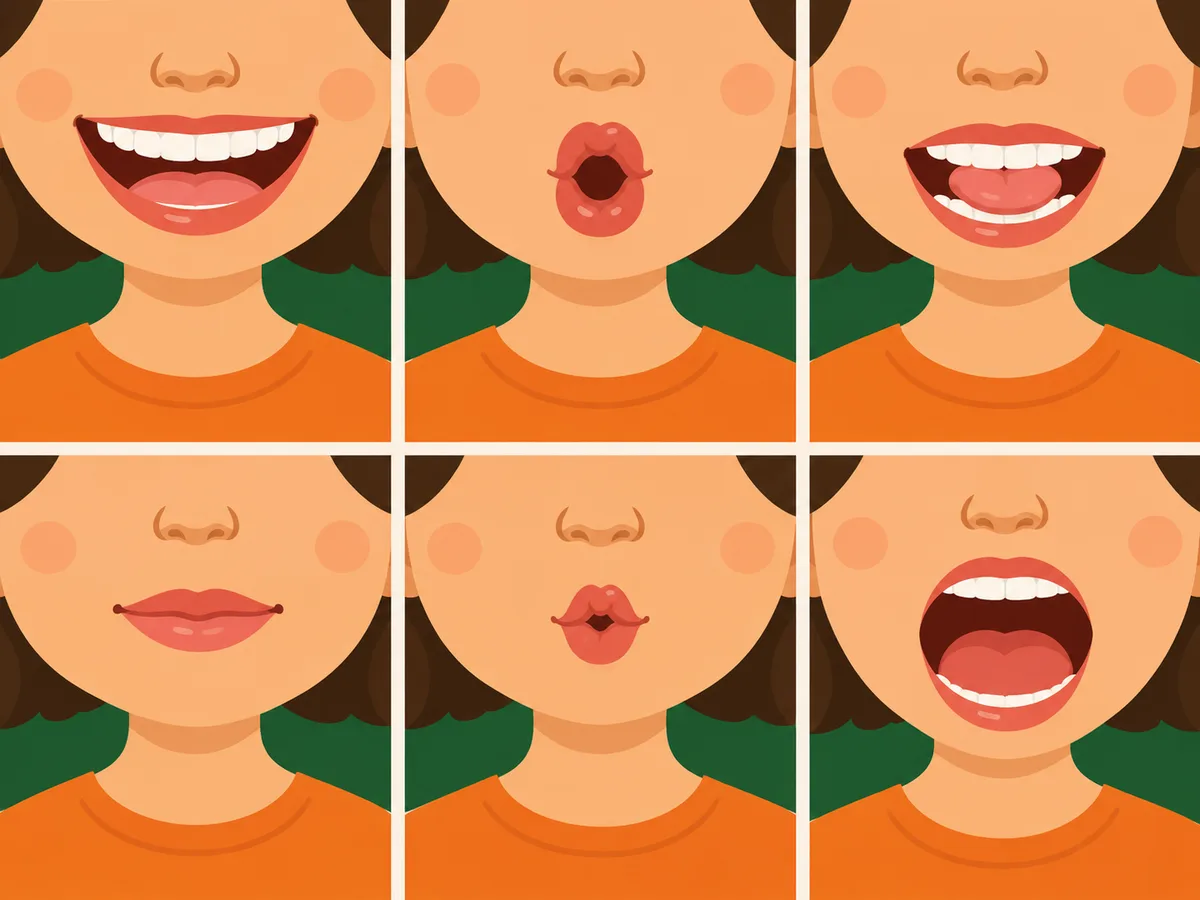
A sort to try
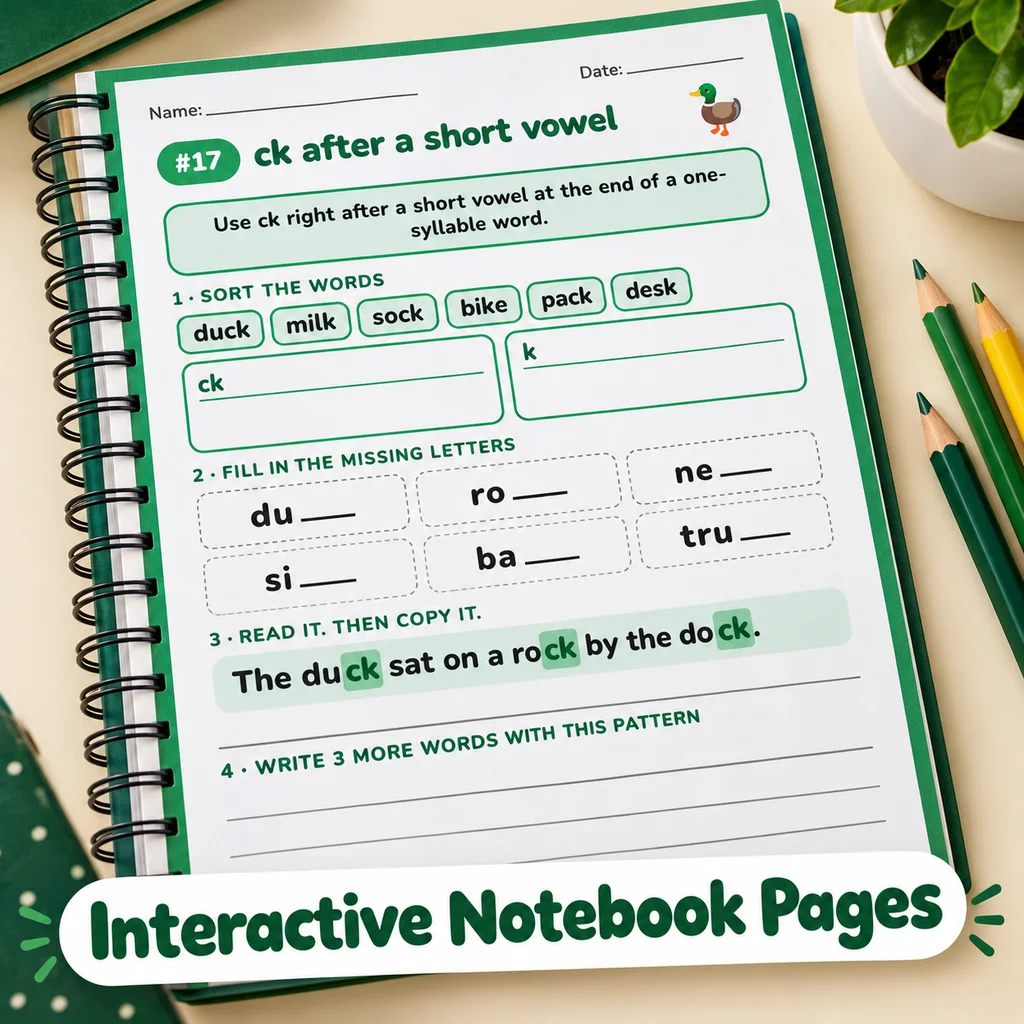
Give children cards with these words: car, for, her, bird, turn, farm, corn, fern, storm, star, girl, fork. They sort into three columns: ar, or, and er/ir/ur. Then ask them to sort the er/ir/ur words by spelling and notice that the sound stays the same.
Where bossy r fits
R-controlled vowels form one of the six syllable types, covered in the syllable types guide. In most sequences they come after the short vowels and long vowels and alongside the vowel teams in the vowel teams guide. In multi-syllable words, remember that syllable division often puts a vowel and its r together, as in far-mer and gar-den (see the syllable division guide).
Posters for every pattern
Phonics & Spelling Rules Posters has a poster for each pattern in this guide: ar, or, er/ir/ur, ore, air/are/ear, ear/eer, the three w rules (wor, war, wa) and the -er/-or/-ar ending. Each has a plain-language rule, six example words, a contrast and a decodable sentence. They are part of the full set of 130 in color and black & white, in full-page, half-page and mini sizes.